
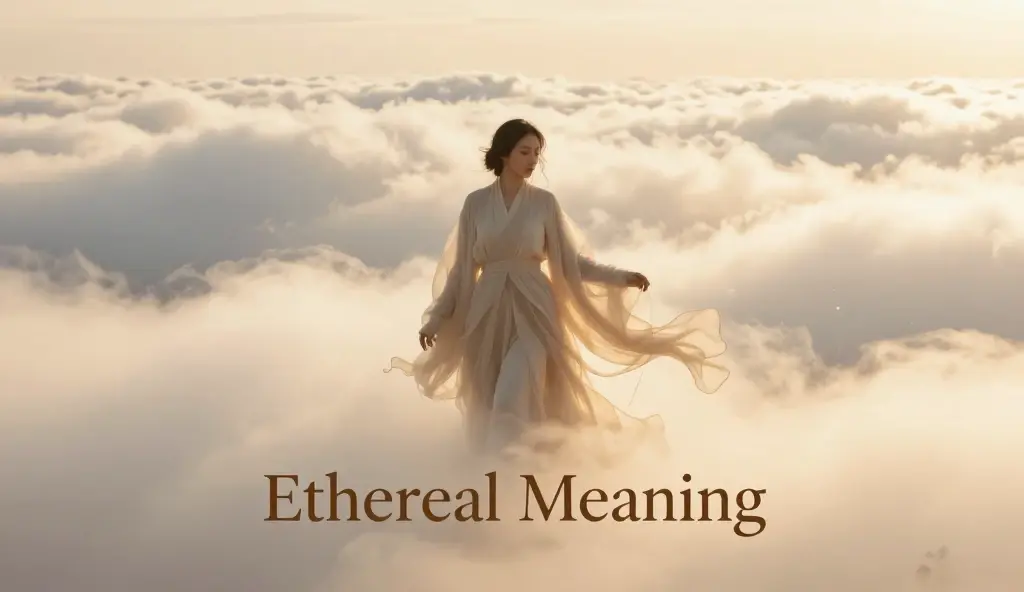
The word ethereal is often used to describe something so beautiful, delicate, or light that it seems almost otherworldly.
If referring to a breathtaking landscape, a graceful person, heavenly music, or a dreamlike atmosphere, the term conveys a sense of beauty beyond the ordinary.
The ethereal meaning centers on qualities that appear heavenly, delicate, airy, or too perfect for the physical world.
It is commonly found in literature, art, fashion, photography, and everyday conversation when describing something that feels magical or unreal.
This guide explores the complete meaning of ethereal, its origin, pronunciation, examples, synonyms, and how to use it correctly.
What Does Ethereal Mean?
Ethereal is an adjective that means:
Extremely delicate, light, heavenly, or seemingly not of this world.
Simple Definition
Ethereal describes something so beautiful, light, or graceful that it seems almost supernatural.
Ethereal Meaning in Simple Words
In everyday language, ethereal can mean:
- Dreamlike
- Heavenly
- Angelic
- Delicate
- Elegant
- Light and airy
- Otherworldly
Example
The sunrise over the mountains looked ethereal.
Meaning:
The sunrise was so beautiful and magical that it seemed unreal.
Pronunciation of Ethereal
Ethereal is pronounced:
uh-THEER-ee-uhl
Phonetic spelling:
/ɪˈθɪriəl/
Example
Her ethereal voice captivated the audience.
Origin of the Word Ethereal
The word comes from the Greek term “aither”, meaning:
- Pure upper air
- Heavenly sky
- Divine atmosphere
Ancient Greeks believed the heavens were filled with a pure substance called ether, which was lighter and more perfect than earthly matter.
From this concept came the modern word ethereal, referring to things that seem heavenly or beyond ordinary reality.
Ethereal Meaning in Literature
Writers frequently use ethereal to create vivid imagery.
Examples
- Ethereal beauty
- Ethereal glow
- Ethereal presence
- Ethereal landscape
Example Sentence
The moon cast an ethereal light across the lake.
The word helps create a magical, poetic atmosphere.
Ethereal Meaning in Fashion
In fashion, ethereal often describes styles that appear:
- Soft
- Flowing
- Elegant
- Romantic
Ethereal Fashion Examples
- Flowing gowns
- Light fabrics
- Lace details
- Pastel colors
- Fairy-like designs
People often use the term to describe bridal or fantasy-inspired clothing.
Ethereal Meaning in Photography
Photographers frequently aim for an ethereal effect.
Characteristics include:
- Soft lighting
- Misty backgrounds
- Dreamlike colors
- Gentle focus
- Natural glow
Example
The portrait had an ethereal quality thanks to the soft sunlight.
Ethereal Beauty Meaning
One of the most common uses of the word is ethereal beauty.
This phrase describes beauty that feels:
- Angelic
- Rare
- Graceful
- Almost supernatural
Example
The actress was known for her ethereal beauty.
The implication is that her appearance seemed extraordinary and otherworldly.
Ethereal Meaning in Art
Artists use ethereal elements to create feelings of:
- Wonder
- Mystery
- Spirituality
- Serenity
Common themes include:
- Clouds
- Angels
- Light
- Nature
- Fantasy worlds
Ethereal Meaning in Music
Music may be described as ethereal when it feels:
- Dreamy
- Atmospheric
- Peaceful
- Heavenly
Example
The singer’s ethereal vocals created a calming mood.
Genres often associated with ethereal sounds include:
- Ambient music
- Dream pop
- Classical music
- New age music
Ethereal vs Beautiful
These words are related but different.
Beautiful
Pleasing to look at or experience.
Ethereal
Beautiful in a way that seems almost supernatural or unreal.
Example
- A flower can be beautiful.
- A glowing field of flowers under moonlight may seem ethereal.
Ethereal vs Angelic
Angelic
Resembling an angel.
Ethereal
More broadly refers to anything delicate, heavenly, or otherworldly.
Not all ethereal things are angelic, but many angelic things are ethereal.
Synonyms of Ethereal
Common synonyms include:
- Heavenly
- Angelic
- Dreamlike
- Delicate
- Airy
- Exquisite
- Elegant
- Divine
- Celestial
- Otherworldly
Antonyms of Ethereal
Opposite words include:
- Ordinary
- Earthly
- Common
- Heavy
- Coarse
- Mundane
- Solid
Common Examples of Ethereal
Nature
The mist created an ethereal landscape.
Fashion
Her dress had an ethereal appearance.
Music
The soundtrack felt ethereal and soothing.
Art
The painting captured an ethereal atmosphere.
Photography
Soft lighting gave the image an ethereal quality.
Example Sentences
- The waterfall looked ethereal in the morning fog.
- Her ethereal voice filled the concert hall.
- The photographer captured an ethereal sunset.
- The bride wore an ethereal white gown.
- The forest appeared ethereal beneath the moonlight.
Common Mistakes About Ethereal
Thinking It Only Means Beautiful
False.
Ethereal implies beauty that feels extraordinary or otherworldly.
Using It for Ordinary Objects
The word is usually reserved for things that inspire wonder or awe.
Confusing Ethereal with Fragile
Although ethereal things may seem delicate, the words are not identical.
Assuming It Is Always Spiritual
While often associated with heavenly qualities, ethereal can describe non-spiritual subjects as well.
Why Is Ethereal Such a Popular Word?
People love the word because it conveys more than simple beauty.
It suggests:
- Wonder
- Magic
- Grace
- Elegance
- Mystery
As a result, ethereal is widely used in literature, fashion, photography, and art.
Expert Insight
Language experts note that ethereal remains popular because it captures a feeling that ordinary adjectives often cannot. When something seems too beautiful, delicate, or magical to fit comfortably into everyday reality, ethereal provides the perfect description. Its connection to heavenly imagery and dreamlike beauty makes it one of the most expressive words in English.
FAQs
Q1. What does “ethereal” mean?
A: Ethereal means delicate, heavenly, light, or so beautiful that it seems almost otherworldly.
Q2. Is “ethereal” a compliment?
A: Yes, it is generally considered a strong compliment and is often used to praise exceptional beauty or grace.
Q3. What is ethereal beauty?
A: Ethereal beauty refers to a graceful, angelic, and almost supernatural form of beauty that feels beyond the ordinary.
Q4. Can a person be described as ethereal?
A: Yes, someone’s appearance, voice, presence, or mannerisms can be described as ethereal.
Q5. What is an ethereal atmosphere?
A: An ethereal atmosphere feels dreamy, magical, peaceful, or heavenly.
Q6. Is “ethereal” a positive word?
A: Yes, the word usually carries very positive and admiring connotations.
Q7. What are some synonyms for ethereal?
A: Common synonyms include heavenly, angelic, celestial, dreamlike, and otherworldly.
Q8. What is the opposite of ethereal?
A: Opposites of ethereal include ordinary, earthly, mundane, and commonplace.
Q9. Can music be described as ethereal?
A: Absolutely. Soft, atmospheric, and dreamy music is often called ethereal.
Q10. What does ethereal mean in fashion?
A: In fashion, ethereal describes light, elegant, flowing, and romantic styles that create a dreamy appearance.
Q11. Is ethereal the same as beautiful?
A: Not exactly. Ethereal suggests a rare, extraordinary, and almost supernatural kind of beauty.
Q12. Where does the word “ethereal” come from?
A: It originates from the Greek word aither, meaning the pure upper air or heavens.
Q13. Can nature be described as ethereal?
A: Yes, scenes such as misty forests, glowing sunsets,
Q14. Is “ethereal” commonly used in literature?
A: Yes, writers frequently use the word to create vivid imagery and convey a sense of wonder or beauty.
Q15. How do you pronounce “ethereal”?
A: It is pronounced uh-THEER-ee-uhl.
Conclusion:
The ethereal meaning refers to something that is extraordinarily delicate, graceful, heavenly, or dreamlike.
If describing a person, a landscape, music, fashion, or a work of art, the word conveys a sense of beauty that feels almost beyond the physical world.
Its rich history, poetic tone, and strong emotional impact make ethereal one of the most elegant and expressive words in the English language.

Ethan is a professional digital writer focused on language trends, internet slang, and motivational meanings. He loves simplifying complex topics into reader-friendly articles.