
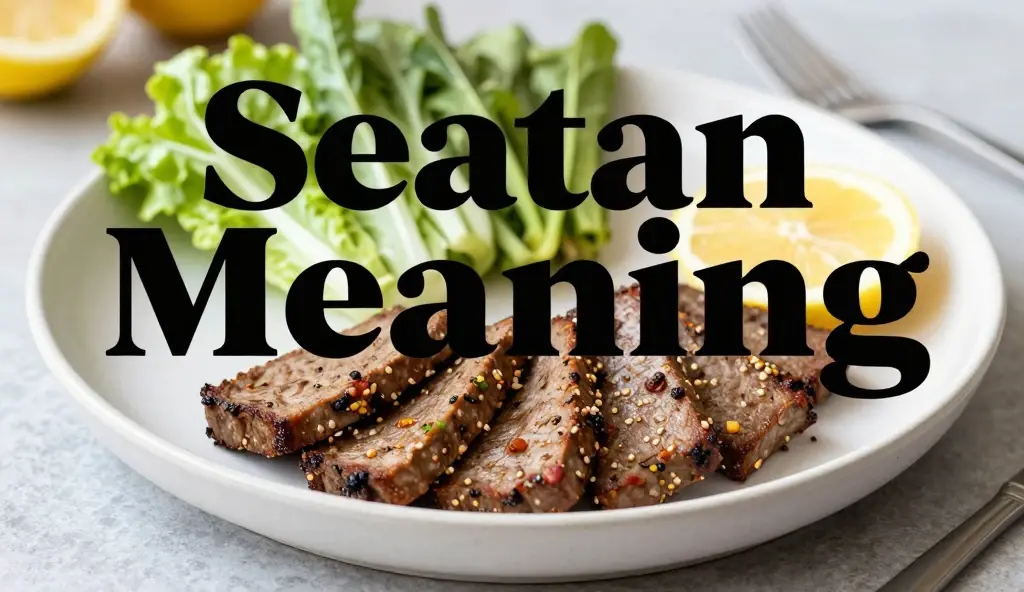
If you’ve recently searched for seitan meaning, you’re probably curious about the unusual word you’ve seen in vegan recipes, plant-based restaurants, grocery stores, or social media food discussions.
At first glance, many people even confuse the word “seitan” with “Satan” because of the similar spelling and pronunciation.
But seitan has absolutely nothing to do with religion or spirituality.
In reality, seitan is a popular high-protein plant-based food made primarily from wheat gluten.
It has become one of the most widely used meat substitutes in vegetarian and vegan diets because of its chewy texture, versatility, and impressive protein content.
Today, seitan appears in:
- Vegan burgers
- Plant-based chicken alternatives
- Stir-fries
- Sandwiches
- Asian cuisine
- High-protein meal plans
As plant-based eating grows worldwide, more people want to understand what seitan actually is, how healthy it is, and why it became so popular among vegans and vegetarians.
In this complete guide, you’ll learn:
- The exact seitan meaning
- How seitan is made
- Nutritional value
- Health benefits and risks
- Seitan vs tofu
- Seitan pronunciation
- Why vegans use seitan
- Common recipes and uses
- Gluten concerns
- Origins and history
By the end, you’ll fully understand what seitan is and why it has become such a major part of modern plant-based cuisine.
What Does Seitan Mean?
Seitan Meaning Explained
Seitan is a plant-based food made from wheat gluten, the main protein found in wheat.
Simple Definition
Seitan is a high-protein meat substitute made from gluten.
It is especially popular among:
- Vegans
- Vegetarians
- Plant-based athletes
- People reducing meat consumption
Because of its texture, seitan is often used as a substitute for:
- Chicken
- Beef
- Pork
- Duck
- Seafood alternatives
How to Pronounce Seitan
Many people mispronounce the word.
The correct pronunciation is usually:
“Say-tan”
Phonetically:
/ˈseɪtæn/
Despite sounding similar to “Satan,” the word has no religious connection.
What Is Seitan Made Of?
Seitan is made primarily from:
- Wheat flour
- Water
The starch is washed away, leaving behind:
Wheat gluten
This gluten mass becomes chewy, dense, and protein-rich after cooking.
What Is Gluten?
Gluten is a protein naturally found in grains like:
- Wheat
- Barley
- Rye
It gives bread dough elasticity and chewiness.
In seitan, gluten becomes the main ingredient itself.
History and Origin of Seitan
Seitan has roots in East Asian cuisine.
It has been used for centuries in countries like:
- China
- Japan
- Korea
Buddhist monks historically used wheat gluten as a meat alternative because many practiced vegetarian diets.
Origin of the Word Seitan
The term “seitan” became popular in Japan during the 20th century.
The word is often interpreted as combining ideas related to:
- “Made of protein”
- “Life energy”
Modern vegan culture later spread the term globally.
Why Is Seitan Popular?
Seitan became popular because it offers:
- High protein
- Meat-like texture
- Versatility
- Low fat content
- Plant-based nutrition
Many vegans prefer it because it mimics meat texture better than some alternatives.
What Does Seitan Taste Like?
Seitan has a mild flavor on its own.
Its taste depends heavily on:
- Seasonings
- Marinades
- Sauces
- Cooking methods
Texture-wise, it is often described as:
- Chewy
- Dense
- Meaty
- Savory
Why Seitan Is Called “Wheat Meat”
People sometimes call seitan:
“Wheat meat”
because of its meat-like texture and high protein content.
Nutritional Value of Seitan
Seitan is especially known for being protein-rich.
Typical Nutrients
Seitan commonly contains:
- High protein
- Low fat
- Low carbohydrates
- Iron
- Selenium
How Much Protein Does Seitan Have?
Seitan is one of the highest-protein plant foods.
Depending on preparation, it may contain:
- Around 20–25 grams of protein per serving
This makes it popular among:
- Athletes
- Bodybuilders
- Fitness-focused vegans
Is Seitan Healthy?
For many people, yes.
Seitan can be a healthy protein source when eaten as part of a balanced diet.
Potential Benefits
- High protein
- Low saturated fat
- Meat alternative
- Filling and satisfying
However, it’s not suitable for everyone.
Who Should Avoid Seitan?
People with:
Celiac Disease
or gluten sensitivity should avoid seitan entirely because it is almost pure gluten.
Seitan and Gluten Intolerance
Since seitan is primarily gluten, it can cause serious health problems for individuals with:
- Gluten intolerance
- Wheat allergies
- Celiac disease
For those individuals, seitan is unsafe.
Seitan vs Tofu
These are two of the most popular plant-based proteins.
| Seitan | Tofu |
| Made from wheat gluten | Made from soybeans |
| Chewy texture | Soft texture |
| Very high protein | Moderate protein |
| Contains gluten | Gluten-free |
| Meat-like consistency | Smooth consistency |
Seitan vs Tempeh
| Seitan | Tempeh |
| Wheat-based | Soy-based |
| Dense and chewy | Firm and nutty |
| Gluten-heavy | Fermented food |
| Higher gluten content | Rich in probiotics |
How Seitan Is Made
Traditional seitan production involves:
- Mixing wheat flour with water
- Forming dough
- Washing away starch
- Leaving concentrated gluten
- Cooking the gluten
Modern versions may use:
- Vital wheat gluten powder
- Seasonings
- Vegetable broth
Common Ways to Cook Seitan
Seitan is extremely versatile.
People cook it by:
- Frying
- Baking
- Grilling
- Steaming
- Stir-frying
Popular Seitan Dishes
Seitan appears in many vegan meals.
Examples include:
- Vegan wings
- Plant-based burgers
- Vegan steak
- Stir-fry dishes
- Sandwich fillings
- Vegan barbecue
Why Vegans Love Seitan
Many vegans enjoy seitan because it closely resembles meat texture.
It works well in recipes that require:
- Chewiness
- Density
- Savory flavor absorption
Is Seitan Good for Muscle Building?
Because of its high protein content, seitan is commonly included in:
- Vegan bodybuilding diets
- High-protein meal plans
- Athletic nutrition
However, combining it with other protein sources improves amino acid balance.
Does Seitan Contain All Essential Amino Acids?
Seitan is lower in lysine compared to some other proteins.
For balanced nutrition, many people pair seitan with:
- Beans
- Lentils
- Soy products
Is Seitan Processed Food?
It depends on the version.
Homemade Seitan
Often minimally processed.
Commercial Seitan
May contain additives, sodium, and preservatives.
Always check labels for ingredients.
Seitan in Asian Cuisine
Asian vegetarian cooking has used wheat gluten for centuries.
Traditional dishes include:
- Mock duck
- Vegetarian stir-fries
- Buddhist temple cuisine
Why Seitan Became Popular in Western Veganism
The rise of plant-based diets increased interest in meat substitutes.
Seitan gained popularity because it provides:
- High protein
- Meat-like texture
- Culinary flexibility
It became especially trendy in vegan restaurants.
Is Seitan Better Than Meat?
This depends on dietary needs and personal goals.
Advantages
- No cholesterol
- Lower saturated fat
- Plant-based
- Environmentally friendlier
Disadvantages
- Contains gluten
- Less complete protein
- Some versions highly processed
Environmental Benefits of Seitan
Plant-based proteins like seitan often require fewer environmental resources than meat production.
Potential benefits include:
- Lower greenhouse gas emissions
- Reduced land use
- Lower water consumption
Common Misconceptions About Seitan
Mistake 1: Thinking It’s Related to Satan
The names only sound similar.
Seitan is purely a food product.
Mistake 2: Assuming It’s Soy-Based
Unlike tofu or tempeh, seitan is made from wheat gluten.
Mistake 3: Believing It’s Gluten-Free
Seitan is almost entirely gluten.
What Does Seitan Look Like?
Seitan often appears:
- Brown or beige
- Dense
- Sliced like meat
- Chunky or shredded
Its appearance changes depending on preparation.
Can Non-Vegans Eat Seitan?
Absolutely.
Many non-vegans enjoy seitan for:
- Protein variety
- Health reasons
- Environmental concerns
- Culinary experimentation
Is Seitan Expensive?
Prices vary.
Homemade seitan is usually inexpensive.
Restaurant or specialty versions may cost more.
Why Some People Dislike Seitan
Common criticisms include:
- Gluten concerns
- Dense texture
- Highly processed commercial products
- Wheat allergies
Taste preferences also vary.
Seitan and Modern Food Culture
Seitan became more mainstream because of:
- Vegan trends
- Fitness culture
- Sustainability awareness
- Meat alternative innovation
Social media recipes helped increase popularity significantly.
Expert Insight: Why Texture Matters in Plant-Based Foods
Food scientists explain that texture strongly affects satisfaction.
Seitan’s chewy structure helps mimic meat more effectively than many plant proteins, which is one reason it appeals to meat-reducing consumers.
Seitan in Restaurants
Many vegan and vegetarian restaurants serve seitan-based dishes because it:
- Absorbs flavors well
- Holds shape during cooking
- Works in savory meals
FAQs
1. What does seitan mean?
A: Seitan is a plant-based food made from wheat gluten used as a meat substitute.
2. How do you pronounce seitan?
It is commonly pronounced:
“Say-tan.”
3. Is seitan vegan?
A: Yes. Seitan is fully plant-based.
4. What is seitan made from?
A: It is mainly made from wheat gluten.
5. Is seitan healthy?
A: For many people, yes. It is high in protein and low in fat.
6. Can people with celiac disease eat seitan?
A: No. Seitan contains large amounts of gluten.
7. What does seitan taste like?
A: It has a mild flavor and chewy, meat-like texture.
8. Is seitan better than tofu?
A: They are different. Seitan has more protein and a meatier texture, while tofu is soy-based and gluten-free.
9. Why do vegans eat seitan?
A: Because it provides high protein and mimics meat texture well.
10. Is seitan processed food?
A: Some versions are minimally processed, while commercial products may be more processed.
11. Does seitan contain protein?
A: Yes. Seitan is very high in protein.
12. Is seitan gluten-free?
A: No. It is almost entirely gluten.
13. Where did seitan originate?
A: It originated in East Asian vegetarian cooking traditions.
14. Can seitan replace meat?
A: Yes. Many people use it as a meat substitute.
15. Is seitan environmentally friendly?
A: Generally, plant-based proteins have lower environmental impact than meat production.
Final Thoughts on Seitan Meaning
Understanding the seitan meaning reveals why this unusual food became such an important part of modern vegan and vegetarian culture. Seitan combines:
- High protein
- Meat-like texture
- Culinary versatility
- Plant-based nutrition
in a way that appeals to millions of people worldwide.
Although it’s not suitable for those with gluten-related conditions, seitan remains one of the most popular and effective meat alternatives available today.
Conclusion:
Seitan is far more than a trendy vegan ingredient.
Rooted in centuries of Asian culinary tradition, it has evolved into a global plant-based protein powerhouse.
If you’re exploring veganism, improving nutrition, reducing meat consumption, or simply curious about food culture, understanding seitan helps explain the growing popularity of modern plant-based eating.

A passionate content writer and meaning researcher specializing in word meanings, modern phrases, and inspirational quotes. Olivia creates easy-to-understand content for global readers.